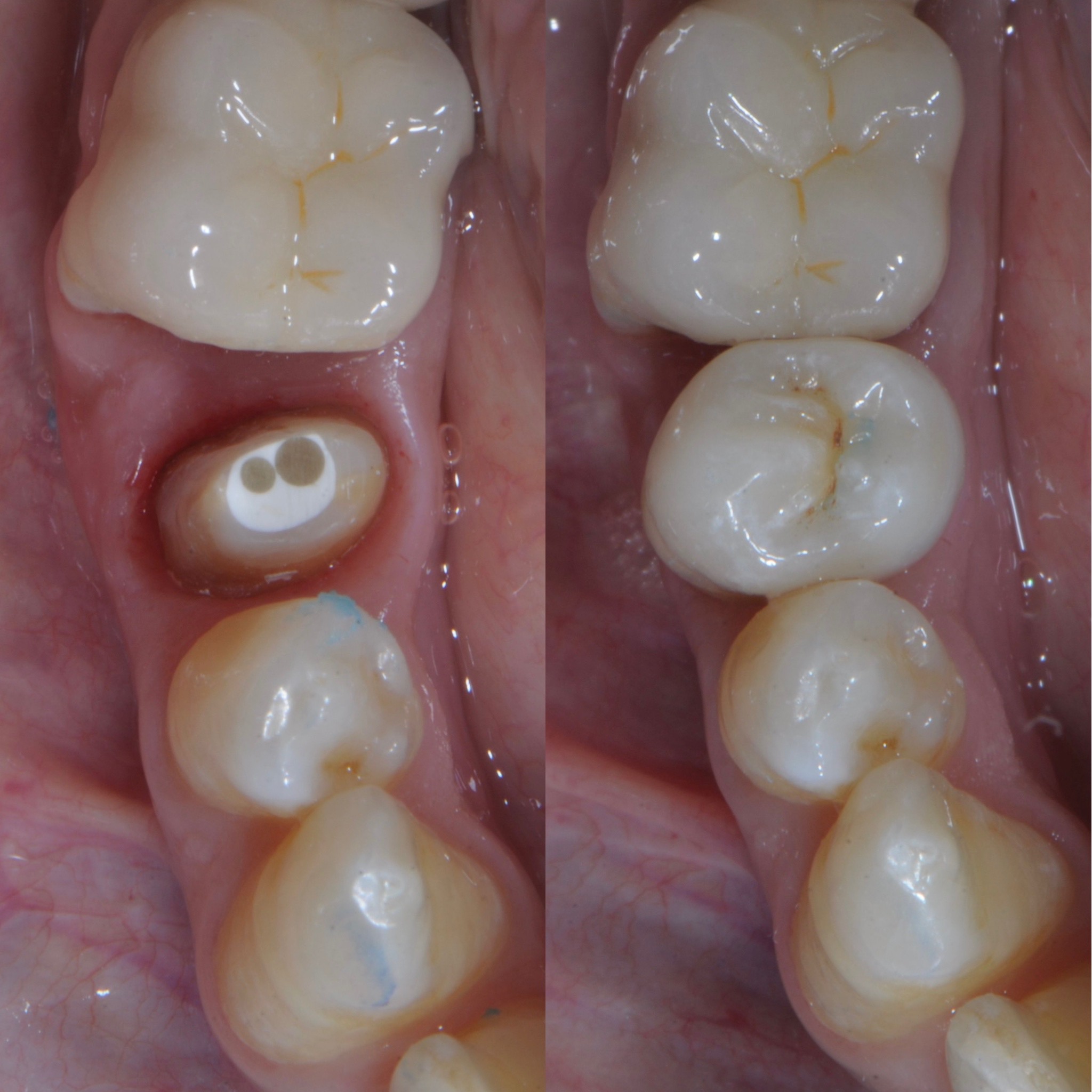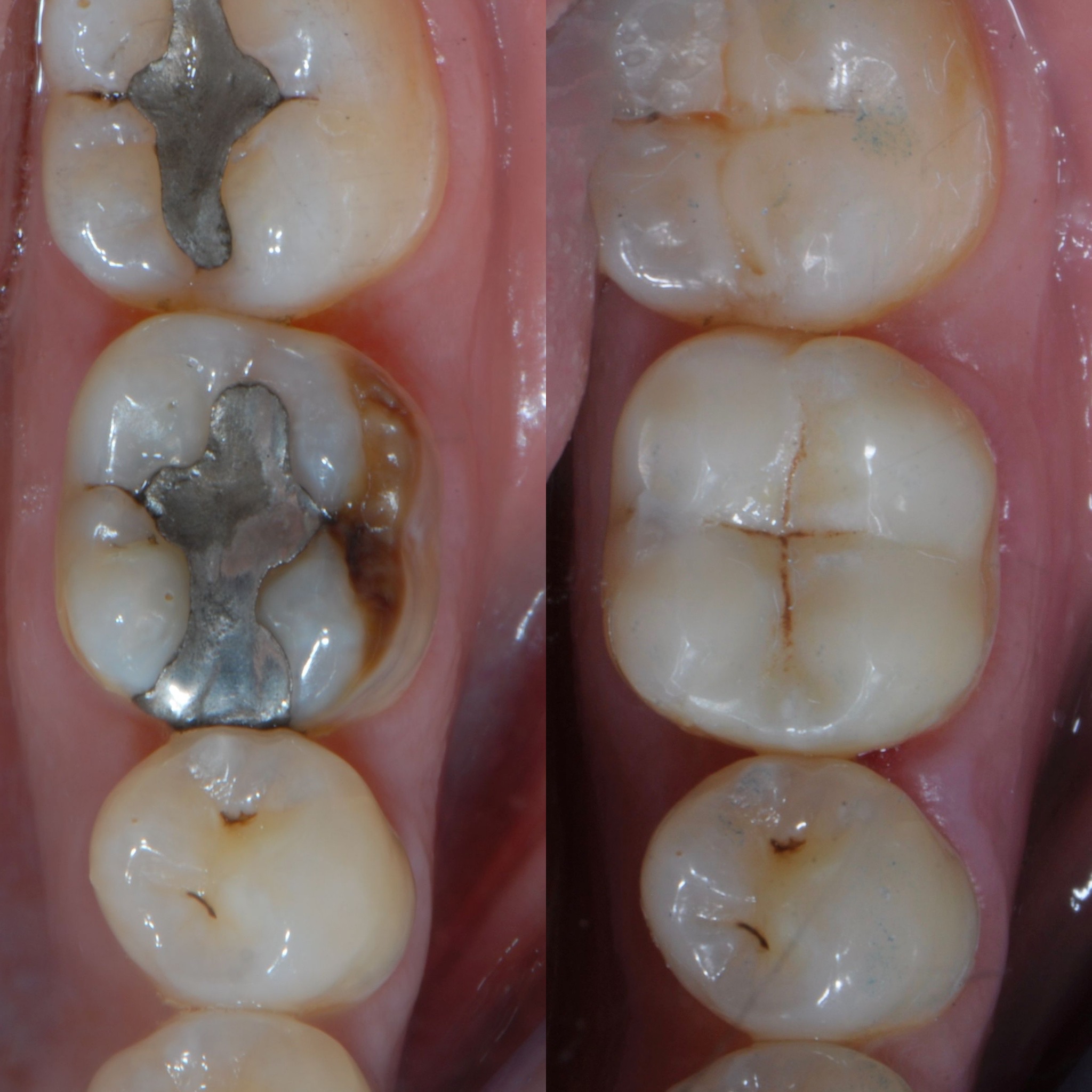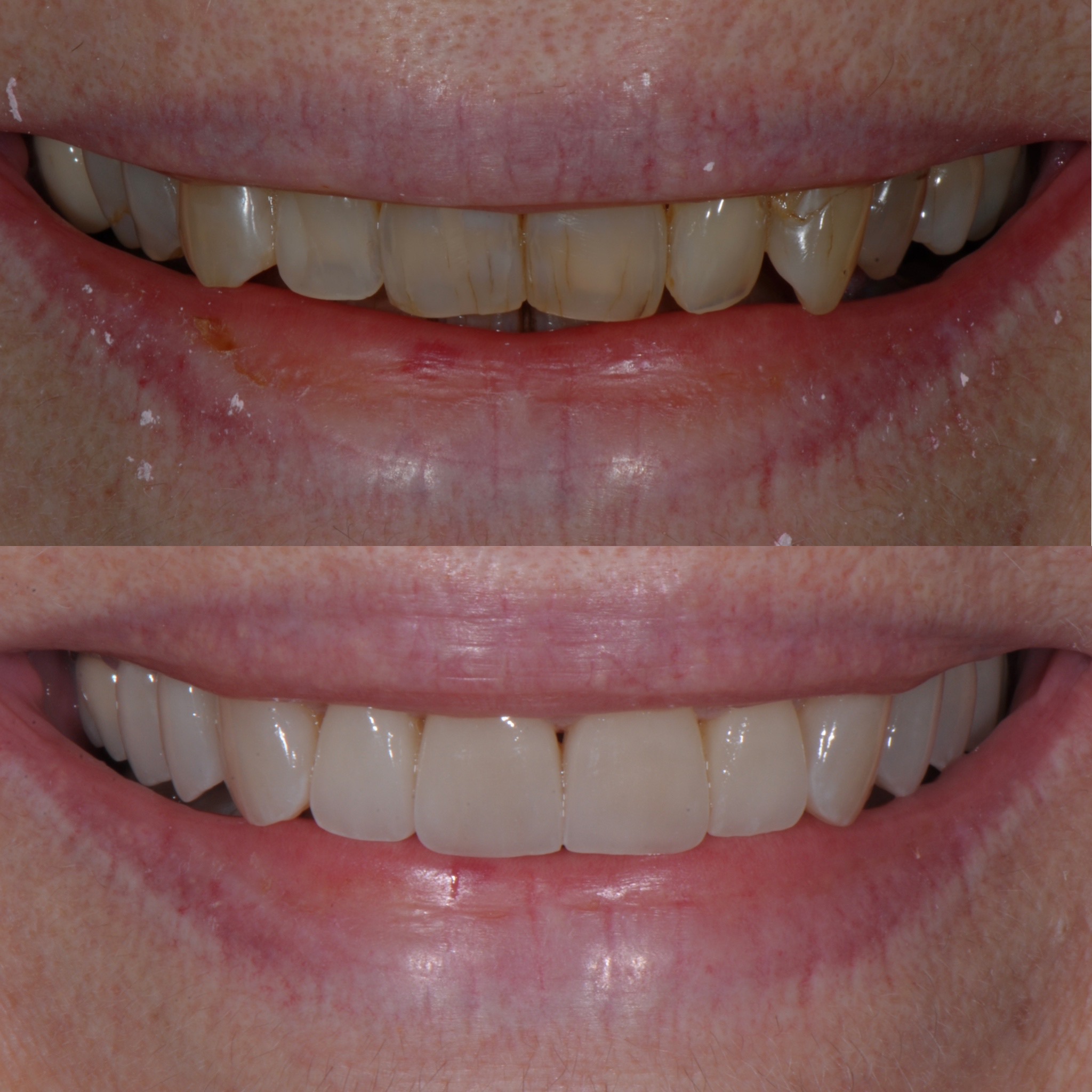
TheIndirect Restorative Dentistry is carried out with the support of a dental laboratory and is used to restore either part or the entire structure of a damaged tooth.
It includes:
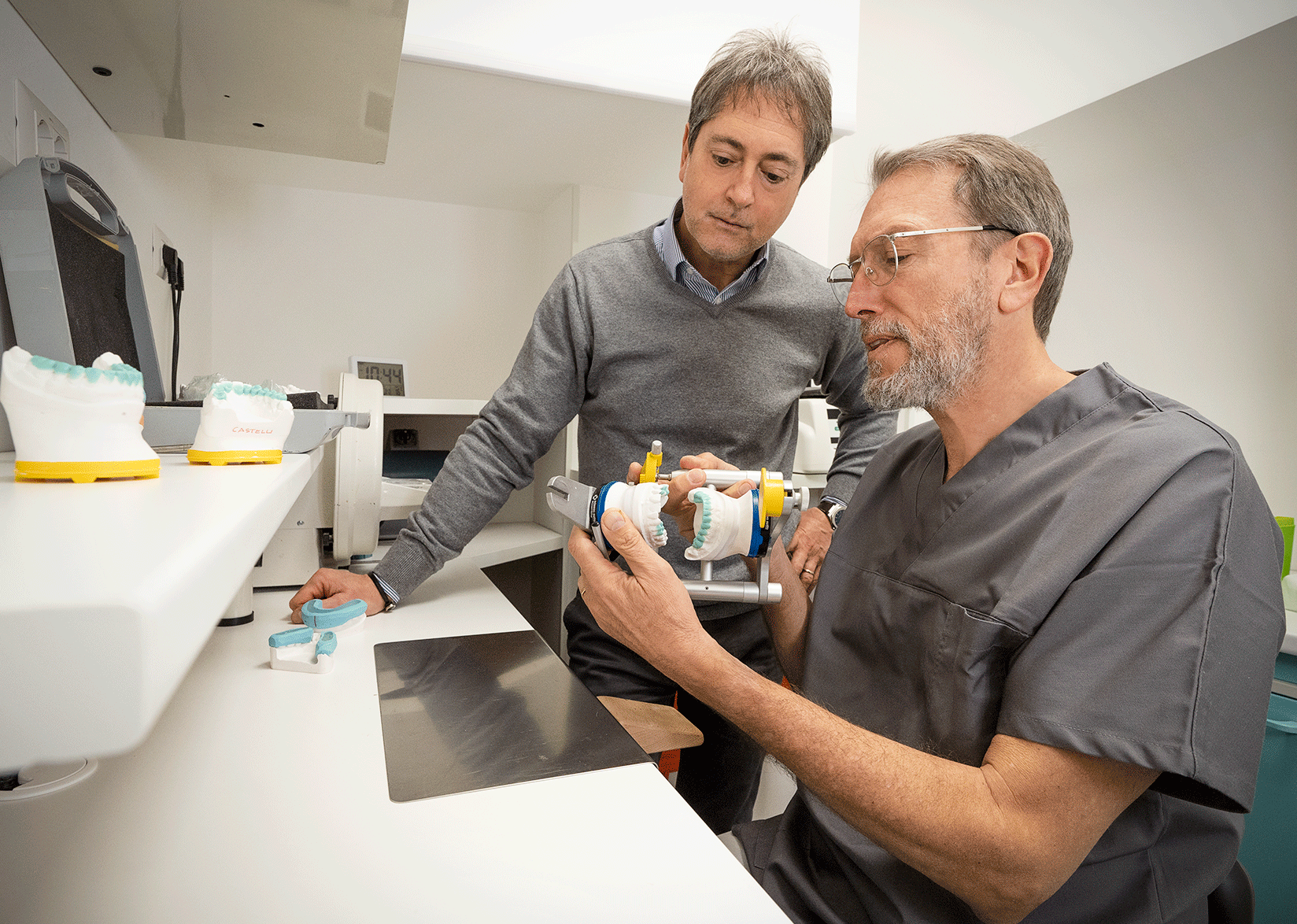
Below you'll find answers to some of the questions our patients ask most frequently about professional dental hygiene. If you have any further questions, we'll be delighted to discuss them with you during your appointment.
An indirect restoration is recommended when a tooth has lost a significant amount of structure due to decay, fractures, wear, or previous extensive restorations. In these cases, it restores the tooth's strength, function, and aesthetics while preserving as much of the natural tooth as possible.
A direct restoration is completed directly in the mouth during a single appointment using composite resin. An indirect restoration, on the other hand, is designed and fabricated outside the mouth—either in a dental laboratory or using digital CAD/CAM technology—and is then bonded to the tooth. This approach provides greater precision, strength, and durability for more complex cases.
An inlay or onlay restores only the damaged portion of the tooth, preserving as much healthy tooth structure as possible. A dental crown, on the other hand, covers the entire tooth and is recommended when the remaining tooth structure is not strong enough to provide adequate support.
With proper oral hygiene and regular dental check-ups, an indirect restoration can last for many years. Its longevity depends on the quality of the restoration, the patient's oral habits, and consistent attendance at routine maintenance appointments.
Yes. Modern ceramic and composite restorations are carefully crafted to replicate the natural shape, color, and translucency of your teeth, providing a highly aesthetic result that blends seamlessly with your smile.
In most cases, two appointments are required. During the first visit, the tooth is prepared and impressions are taken—either using traditional techniques or a digital intraoral scanner. At the second appointment, the final restoration is tried in, adjusted if necessary, and permanently bonded to the tooth. In some cases, digital CAD/CAM technology allows treatment to be completed in a shorter timeframe.
When a tooth is severely damaged, an indirect restoration is often the ideal solution to restore its strength, function, and natural appearance while preserving as much healthy tooth structure as possible. At Odontoiatria Kirschner, we create custom-made restorations using premium-quality materials and advanced digital technology to ensure exceptional precision, maximum comfort, and long-lasting results.