
Periodontology focuses on the prevention, diagnosis, and treatment of diseases affecting the tissues that support the teeth, including the gums, alveolar bone, root cementum, and periodontal ligament.
Periodontal diagnosis is carried out through a specialist examination that includes:
Periodontal therapy involves eliminating the bacterial causes responsible for gingival inflammation and the loss of the tooth-supporting tissues. When necessary, treatment may be complemented by regenerative or resective periodontal surgery to restore the health, function, and aesthetics of the periodontal tissues.
The treatment is carried out in close collaboration between the dentist and the dental hygienist.
The first phase consists of patient motivation and instruction on proper home oral hygiene techniques, followed by the professional removal of bacterial plaque and tartar above and below the gum line (causal therapy).
Subsequently, regular check-ups and supportive periodontal therapy sessions are scheduled to maintain the results achieved and prevent the progression of periodontitis.

Periodontitis, also known as pyorrhea, is a chronic inflammatory disease caused by bacteria present in dental plaque. If left untreated, it leads to the progressive destruction of the bone and supporting tissues of the teeth, eventually causing tooth mobility and, in more advanced cases, tooth loss.
Early diagnosis and personalized periodontal treatment make it possible to stop the progression of the disease, preserve natural teeth, and maintain a healthy smile over time.
The most common symptoms include bleeding gums, persistent bad breath, gum recession, tooth mobility, and sensitivity. Early diagnosis and personalized periodontal treatment make it possible to stop the progression of the disease and preserve natural teeth over time.
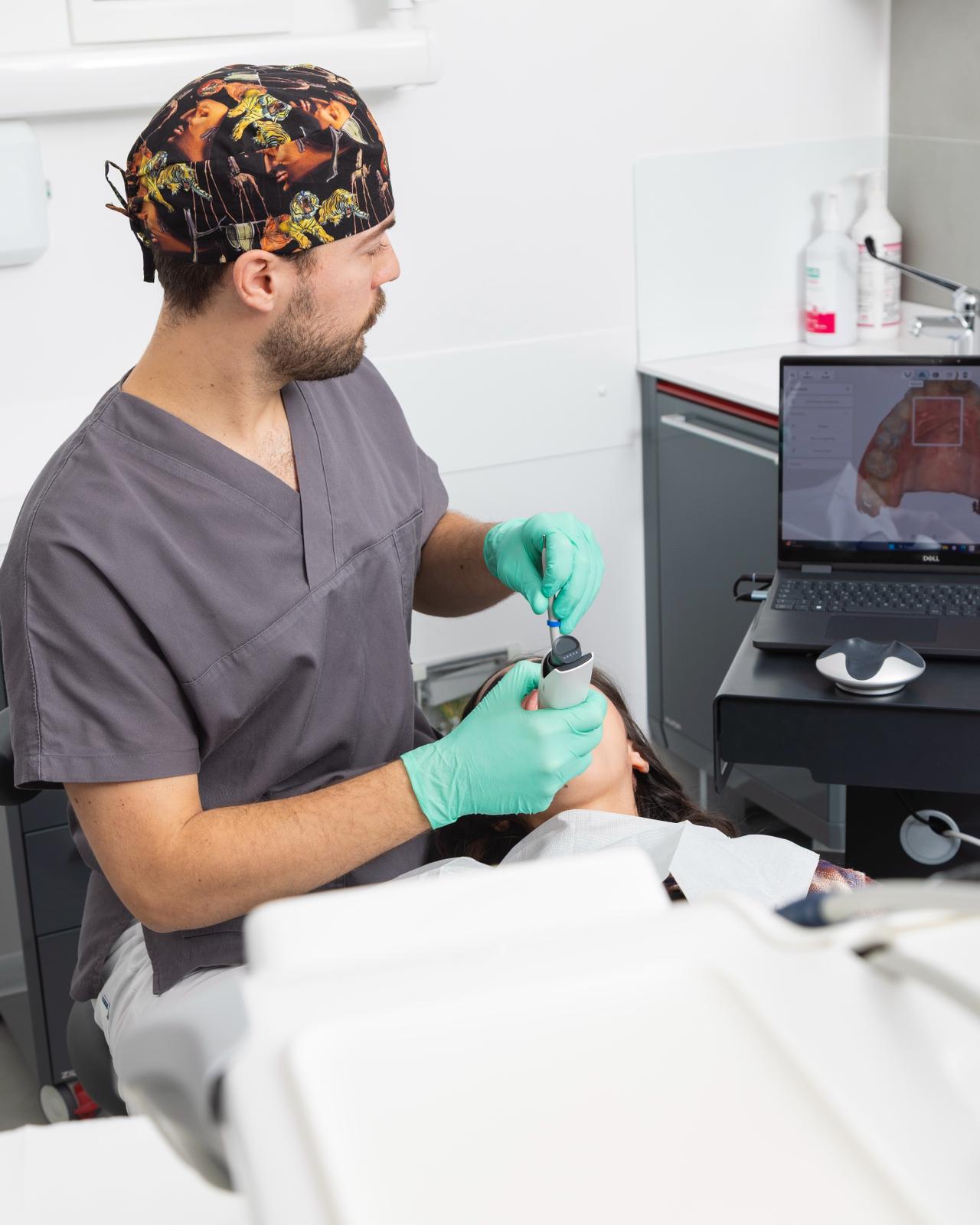
Periodontitis often develops slowly and, in its early stages, may not cause pain. Recognizing the symptoms at an early stage is essential to enable timely intervention and preserve the health of the teeth and gums.
Bleeding during brushing or flossing is one of the first signs of gum inflammation.
Persistent bad breath can be caused by the accumulation of bacteria in the periodontal pockets.
The gums can gradually recede, exposing the tooth roots and increasing sensitivity.
When the supporting bone decreases, teeth may begin to move and lose stability.
Periodontal pockets promote the accumulation of bacteria and represent one of the main signs of periodontitis.
Periodontitis can cause progressive loss of the bone that supports the teeth, compromising their stability.
Some conditions increase the risk of developing periodontal disease or accelerate its progression.
The accumulation of bacterial plaque and tartar is the main cause of periodontitis. Proper daily oral hygiene and regular professional dental cleanings help prevent its onset.
Smoking significantly increases the risk of developing periodontitis, slows tissue healing, and reduces the success of periodontal and implant treatments.
Diabetes, especially when poorly controlled, promotes gingival inflammation and accelerates the progression of periodontal disease.
Some people have a greater genetic predisposition to developing periodontitis, even with good oral hygiene.
After treatment, it is essential to follow a program of regular maintenance visits and professional dental cleanings to preserve periodontal health and prevent recurrences.
At the end of causal therapy, the dentist reassesses the periodontal condition to evaluate the tissue response and plan, if necessary, further periodontal surgical treatments.
In cases where disease stability has been achieved, the patient is enrolled in a personalized supportive periodontal therapy program, which is essential for maintaining gum health over time and preventing possible recurrences.
Regular maintenance sessions allow continuous monitoring of periodontal health, early detection of any signs of inflammation, and preservation of natural teeth in the long term.
Below you'll find answers to some of the questions our patients ask most frequently about professional dental hygiene. If you have any further questions, we'll be delighted to discuss them with you during your appointment.
Periodontitis is a chronic inflammatory disease that affects the tissues supporting the teeth, including the gums, periodontal ligament, and bone. If left untreated, it can cause tooth mobility and, in more advanced cases, tooth loss.
The most common symptoms include bleeding gums during brushing, persistent bad breath, swollen or receding gums, tooth sensitivity, tooth mobility, and the appearance of spaces between teeth. A specialist examination allows the disease to be identified even in its early stages.
Periodontitis cannot be completely eliminated, but it can be effectively controlled through early diagnosis, personalized treatment, and a maintenance program. The goal is to stop the progression of the disease and preserve natural teeth for as long as possible.
Gingivitis is a superficial inflammation of the gums and is generally reversible with proper oral hygiene. Periodontitis, on the other hand, also affects the bone that supports the teeth and requires specialist treatment to prevent permanent damage.
Yes. Smoking is one of the main risk factors for periodontal disease. It reduces the tissues’ ability to heal, promotes disease progression, and increases the risk of tooth loss and implant-related complications.
The frequency of maintenance visits is established based on the patient’s clinical condition. Generally, check-ups and maintenance sessions are recommended every 3–6 months to monitor gum health and prevent possible recurrences.
Early diagnosis is the most important step in controlling periodontal disease and preserving your smile over time. At Odontoiatria Kirschner, we provide comprehensive periodontal evaluations and personalized treatment plans to help you maintain healthy gums and teeth.