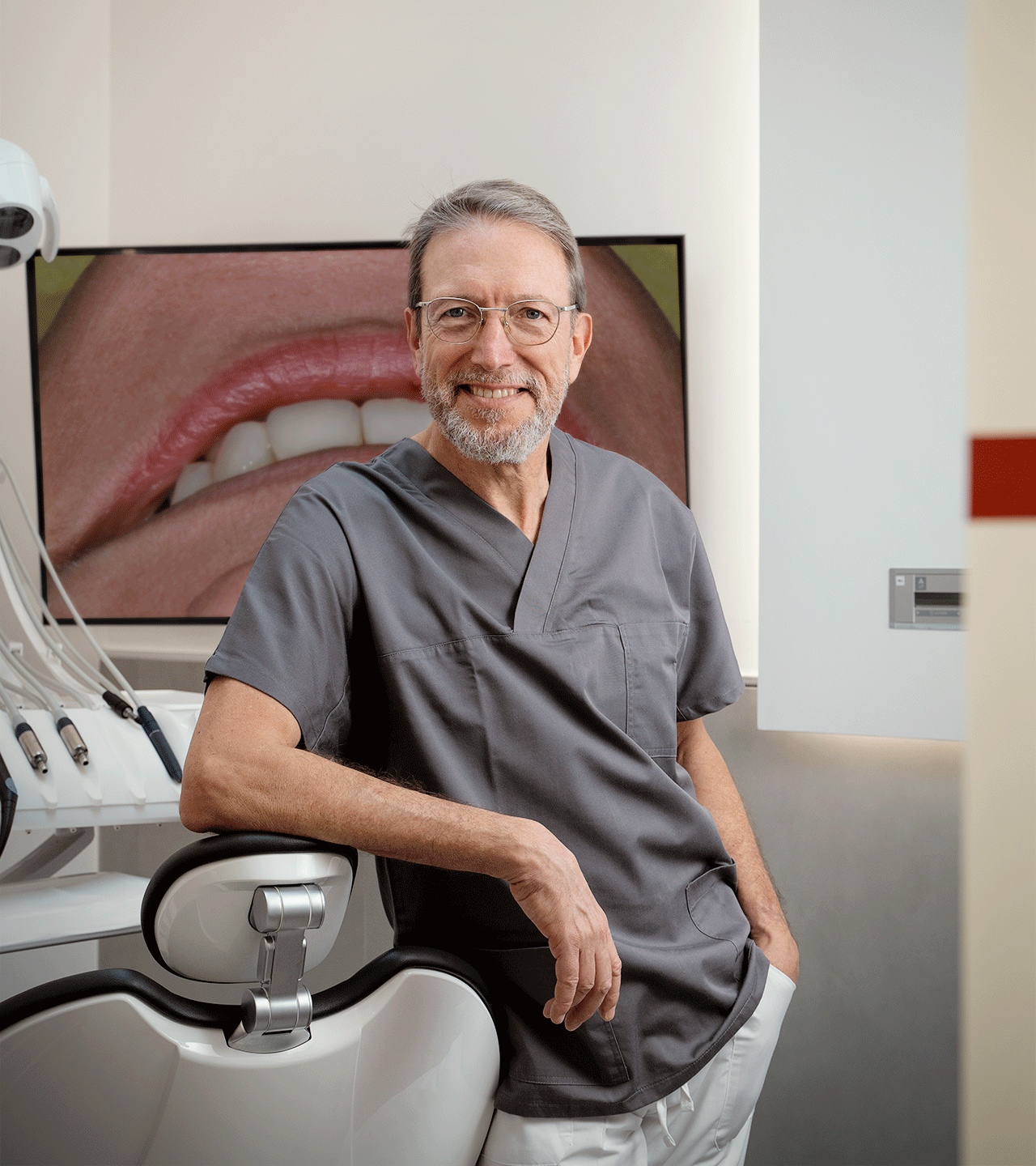
Dental implantology is the branch of dentistry dedicated to replacing one or more missing teeth using titanium dental implants. The implants are placed into the jawbone, where they gradually integrate with the bone through a process known as osseointegration. Once fully healed, they provide a stable foundation for crowns, bridges, or fixed prostheses. Thanks to modern implant techniques, it is possible to restore the appearance, function, and comfort of your natural smile with results that are both long-lasting and natural-looking.
Every implant treatment begins with a comprehensive consultation. Using digital CBCT imaging, intraoral scanning, and computer-guided treatment planning, our team carefully assesses the quality and quantity of available bone, the position of important anatomical structures, and the ideal placement of each dental implant. This digital approach allows us to deliver precise, personalised, and minimally invasive treatment.
Dental implant placement is performed under local anaesthesia and is generally a quick, comfortable procedure. Using minimally invasive surgical techniques, the titanium implant is carefully positioned within the jawbone to replace the missing tooth root. After the procedure, you will receive detailed post-operative instructions to support optimal healing and minimise any discomfort.
Once the healing phase is complete and the implant has fully integrated with the jawbone through osseointegration, the final restoration is fitted. Whether it is a single crown, a bridge, or a full-arch restoration, each prosthesis is custom-designed to provide a natural appearance, long-term comfort, excellent stability, and optimal chewing function.
Dental implants offer a modern, safe, and long-lasting solution for replacing one or more missing teeth. In addition to restoring the appearance and function of your smile, they provide numerous benefits for your oral health and overall quality of life.
Dental implants provide stability comparable to that of natural teeth, allowing you to speak, smile, and chew with confidence and comfort, without the movement often associated with removable dentures.
With good oral hygiene and regular dental check-ups, dental implants can last for many years, providing a reliable, long-term solution for replacing missing teeth.
Dental implants are designed to blend seamlessly with your smile, providing results that look and feel completely natural. Each crown is custom-made to match the shape, colour, and function of your natural teeth.
After a tooth is lost, the surrounding bone naturally begins to shrink over time. A dental implant helps preserve bone volume, supporting both the natural contours of the face and long-term oral health.
Unlike traditional dental bridges, implants do not require the adjacent teeth to be prepared or reduced, helping to preserve healthy natural tooth structure.
Dental implants allow you to speak, smile, and eat with confidence, without the limitations often associated with removable dentures, significantly improving your everyday comfort and quality of life.
Dental implants are suitable for patients who have one or more missing teeth and sufficient healthy bone to support the implant. Even when bone volume is limited, treatment may still be possible using advanced procedures such as bone grafting or sinus augmentation, following a thorough clinical and radiographic assessment.
Dental implants are an ideal solution for replacing one or more missing teeth. They restore the appearance of your smile, chewing function, and long-term stability, while also helping to preserve the underlying jawbone.
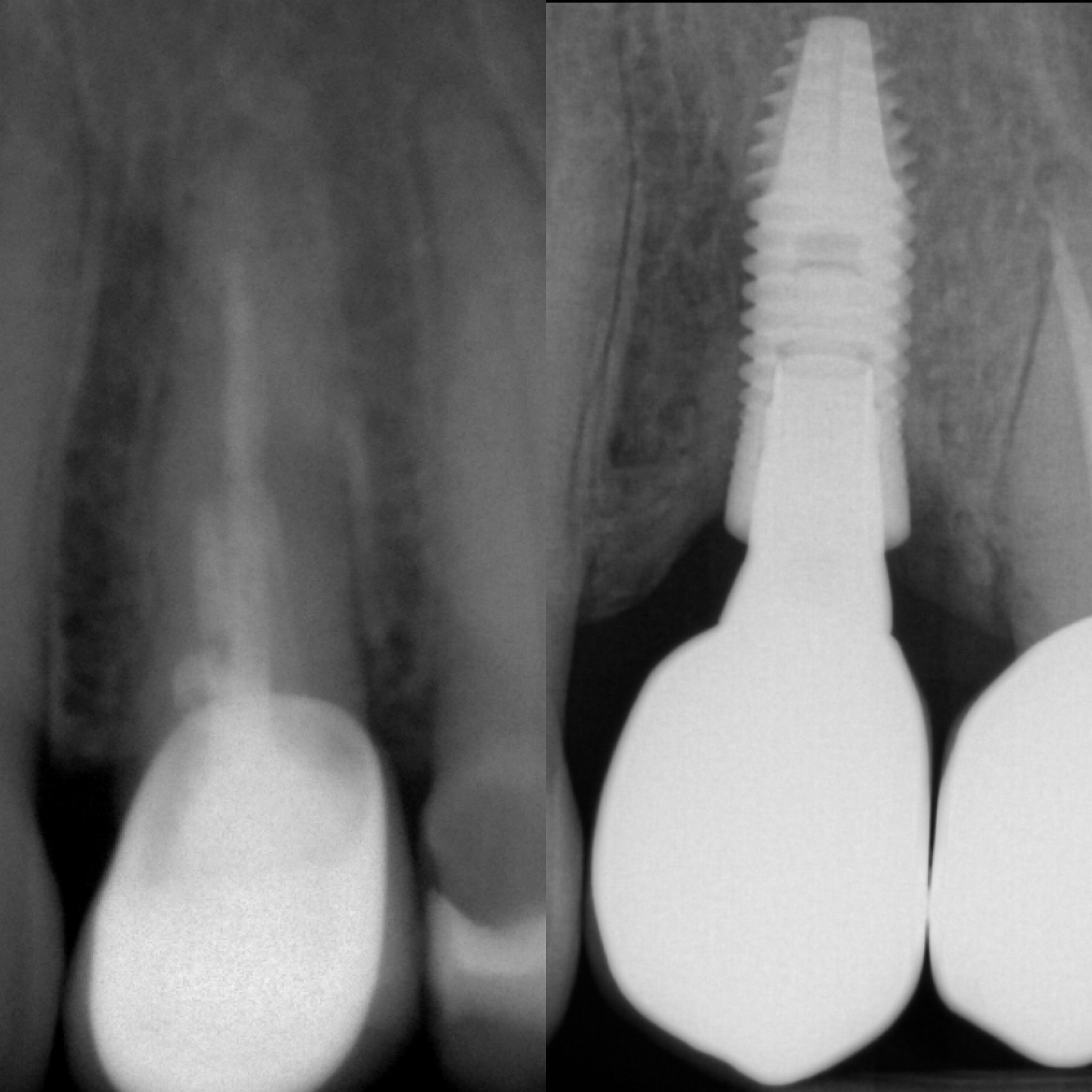
When a tooth has a non-restorable root fracture, extraction followed by dental implant placement is one of the most reliable solutions to restore aesthetics, function, and chewing comfort.
Before undergoing dental implant treatment, it is essential that any periodontal disease is diagnosed and properly treated. Healthy gums and good oral hygiene significantly increase the likelihood of long-term implant success.
Thanks to Cone Beam CT imaging and digital treatment planning, the available bone volume can be assessed with great precision. When the bone is insufficient, procedures such as bone regeneration or sinus lift may be performed to create the ideal conditions for implant placement.
Below you'll find answers to some of the questions our patients ask most frequently about professional dental hygiene. If you have any further questions, we'll be delighted to discuss them with you during your appointment.
Dental implant placement is performed under local anaesthesia and is generally well tolerated. After the procedure, mild discomfort or swelling may occur, but in most cases these symptoms can be easily managed with the medication prescribed by your dentist.
With proper oral hygiene and regular dental check-ups, a dental implant can last for many years, often even decades. Its long-term success depends on gum health, the patient’s habits, and adherence to a personalised maintenance programme.
Most patients are suitable candidates for one or more dental implants. Before treatment, a thorough clinical examination and the necessary radiographic assessments, such as CBCT imaging, are performed to evaluate bone quantity and quality and to plan the procedure safely and accurately.
The treatment timeline varies depending on the individual clinical situation. In some cases, a temporary restoration can be placed on the same day as implant placement. In other cases, it is necessary to wait several months to allow the implant to fully integrate with the bone before placing the final restoration.
True implant rejection is extremely rare. However, factors such as infection, smoking, poor oral hygiene, or certain systemic conditions may interfere with proper osseointegration and prevent the implant from bonding successfully with the bone. For this reason, following your dentist’s instructions and attending regular check-ups are essential for long-term implant success.
Dental implants require the same level of care as natural teeth. Proper daily oral hygiene, combined with regular professional cleaning sessions and routine dental check-ups, is essential to prevent peri-implantitis and maintain the long-term success of the treatment.
Modern implant dentistry allows the replacement of one or more missing teeth with stable, safe, and natural-looking solutions. At Odontoiatria Kirschner, every treatment is carefully planned on an individual basis, using digital technologies and minimally invasive techniques to achieve reliable and long-lasting results.