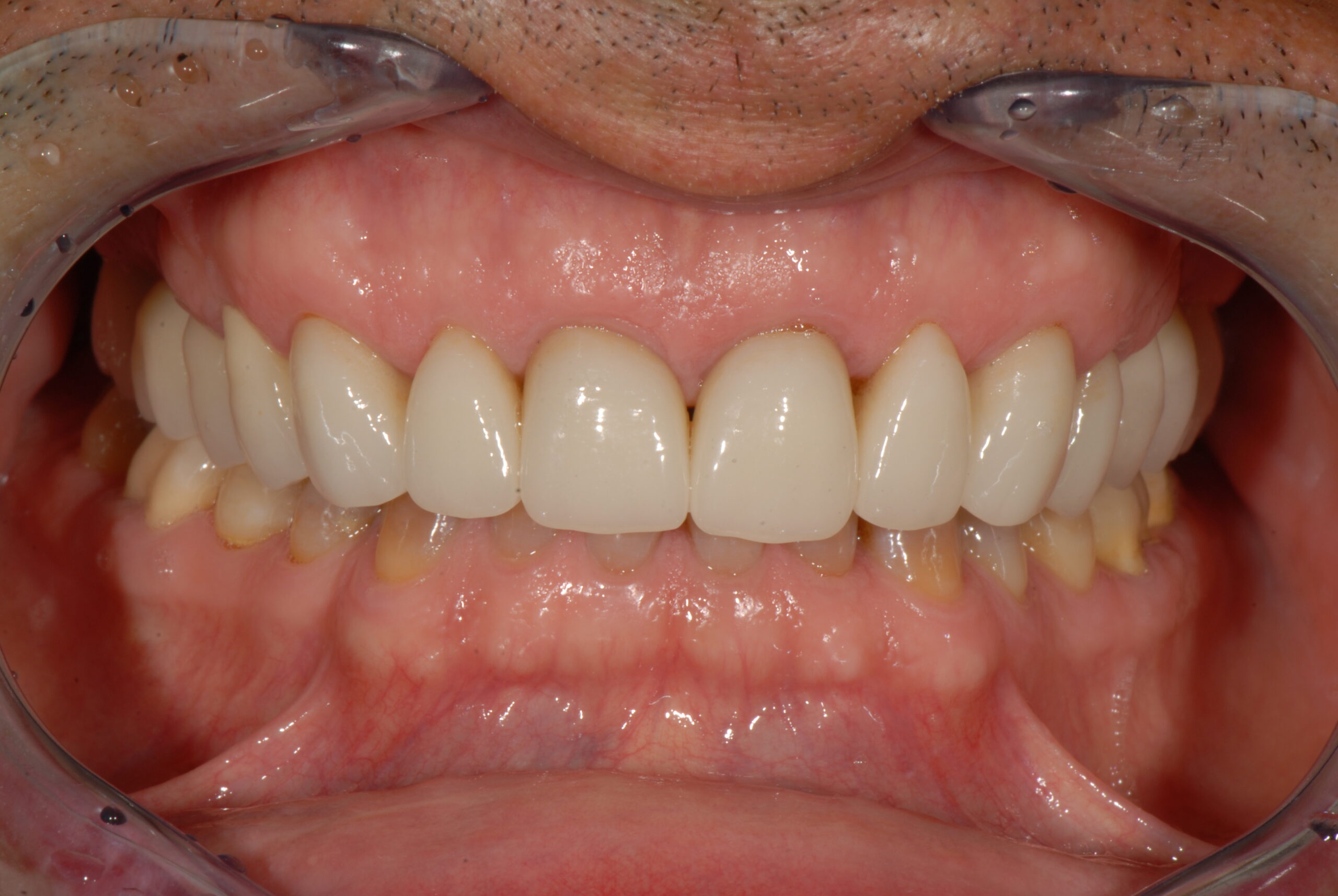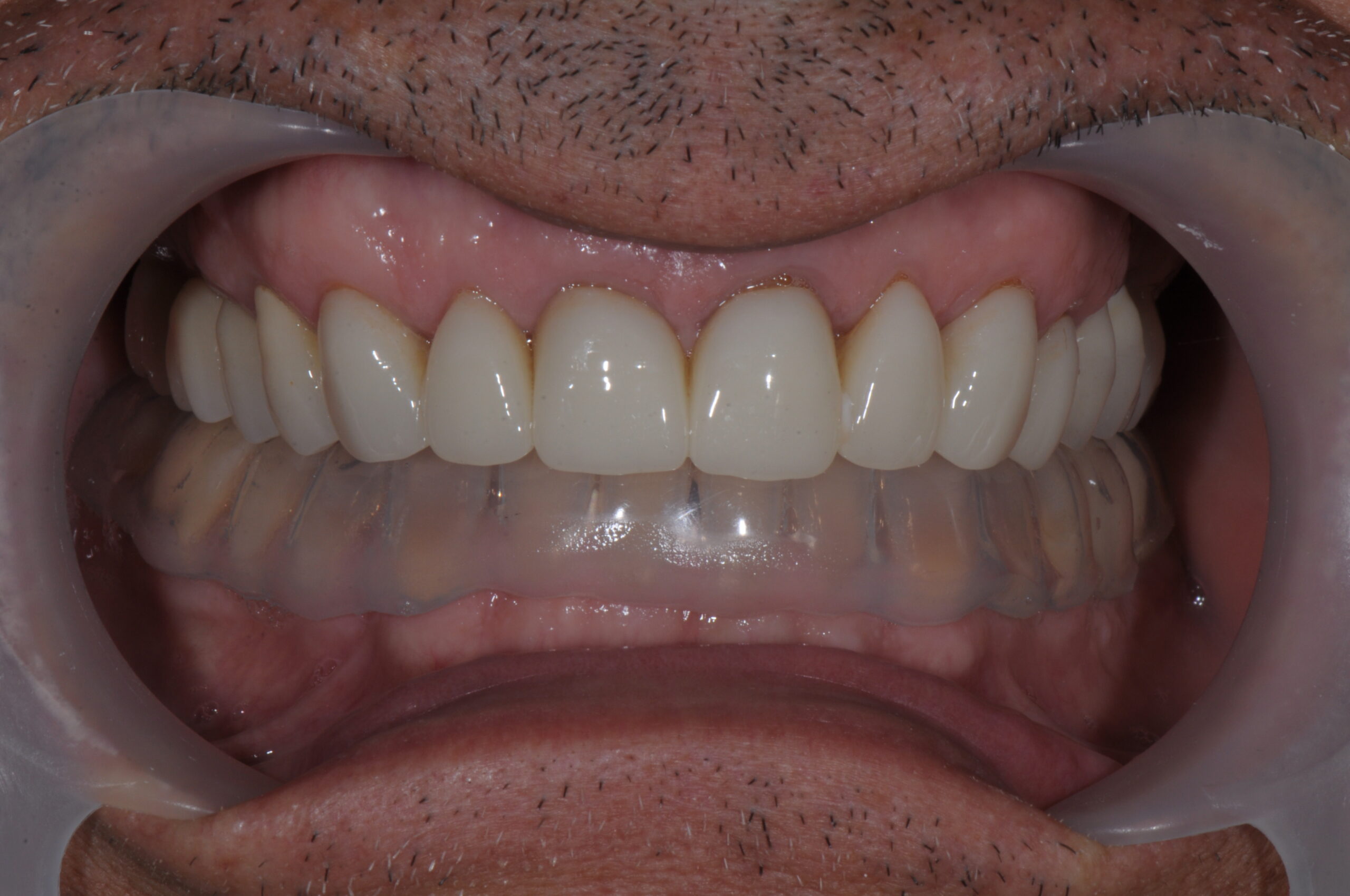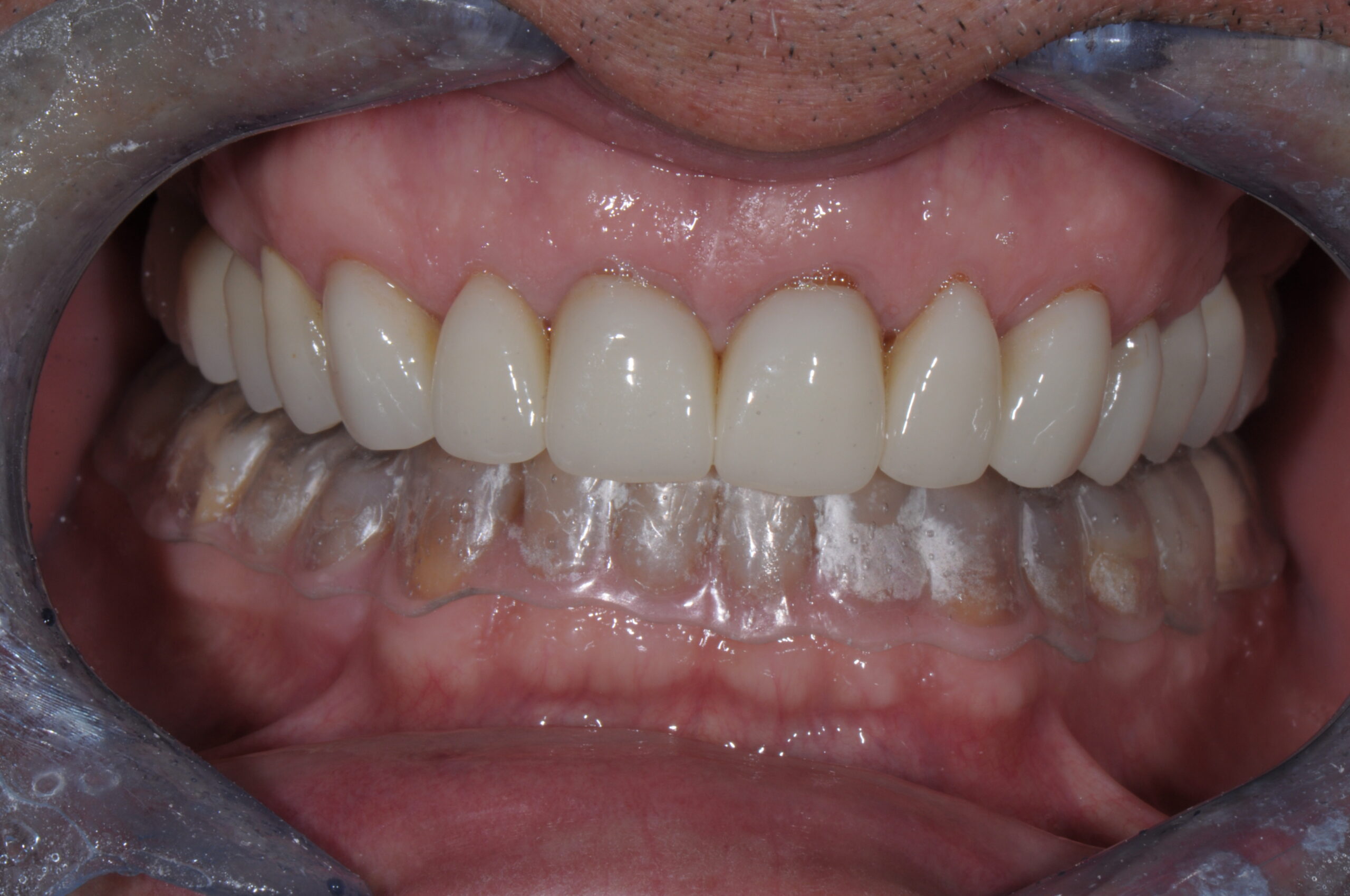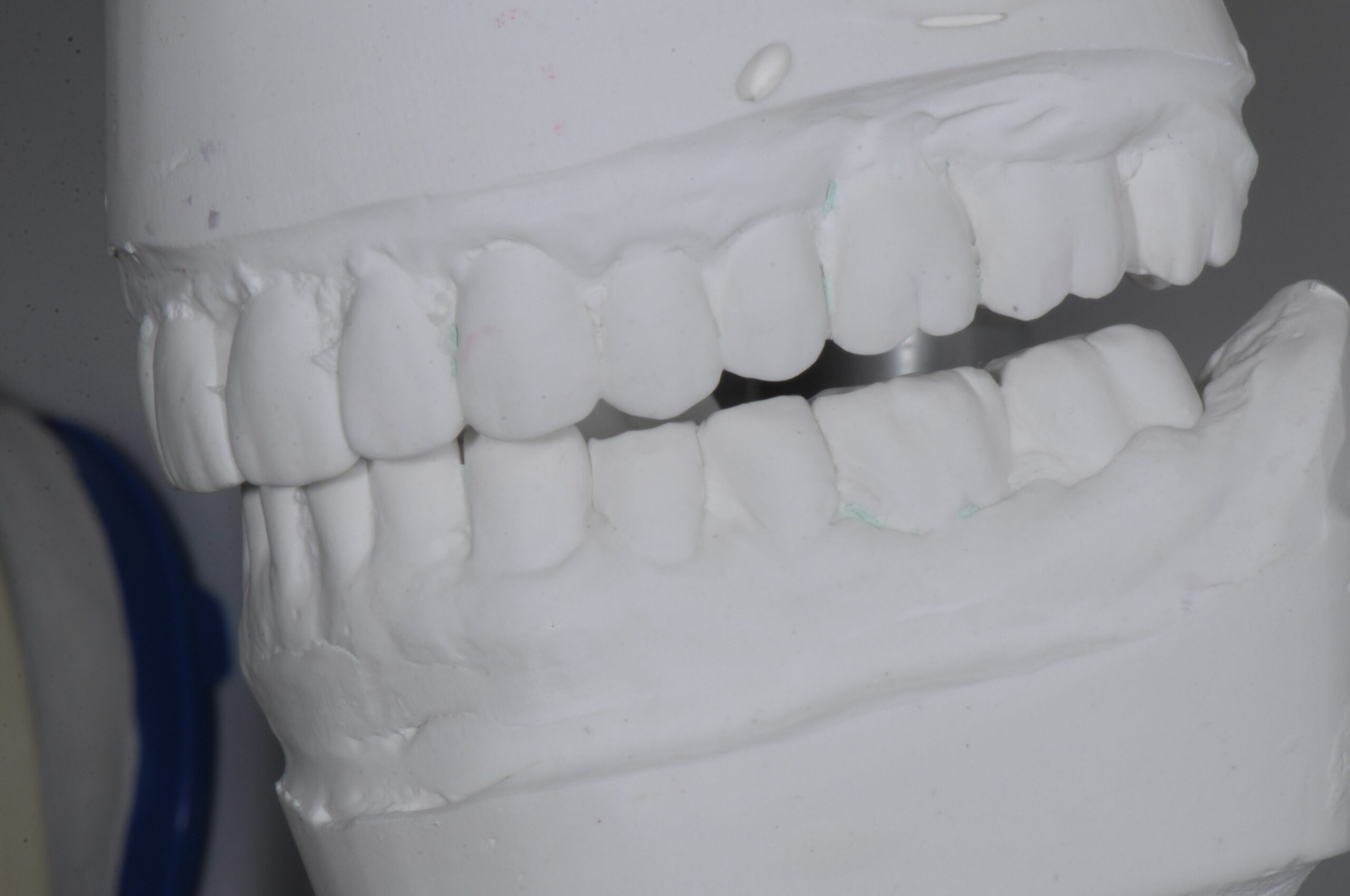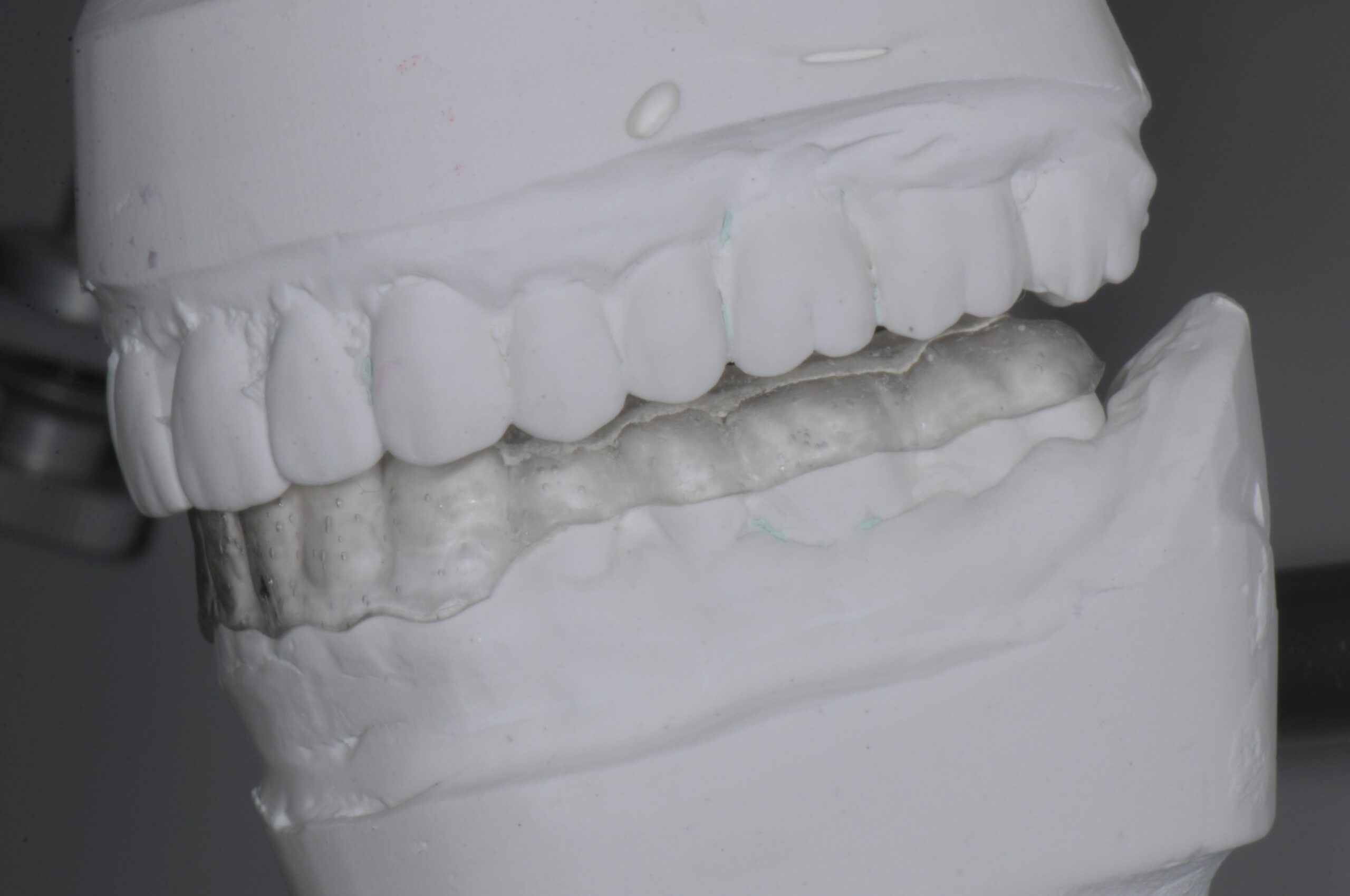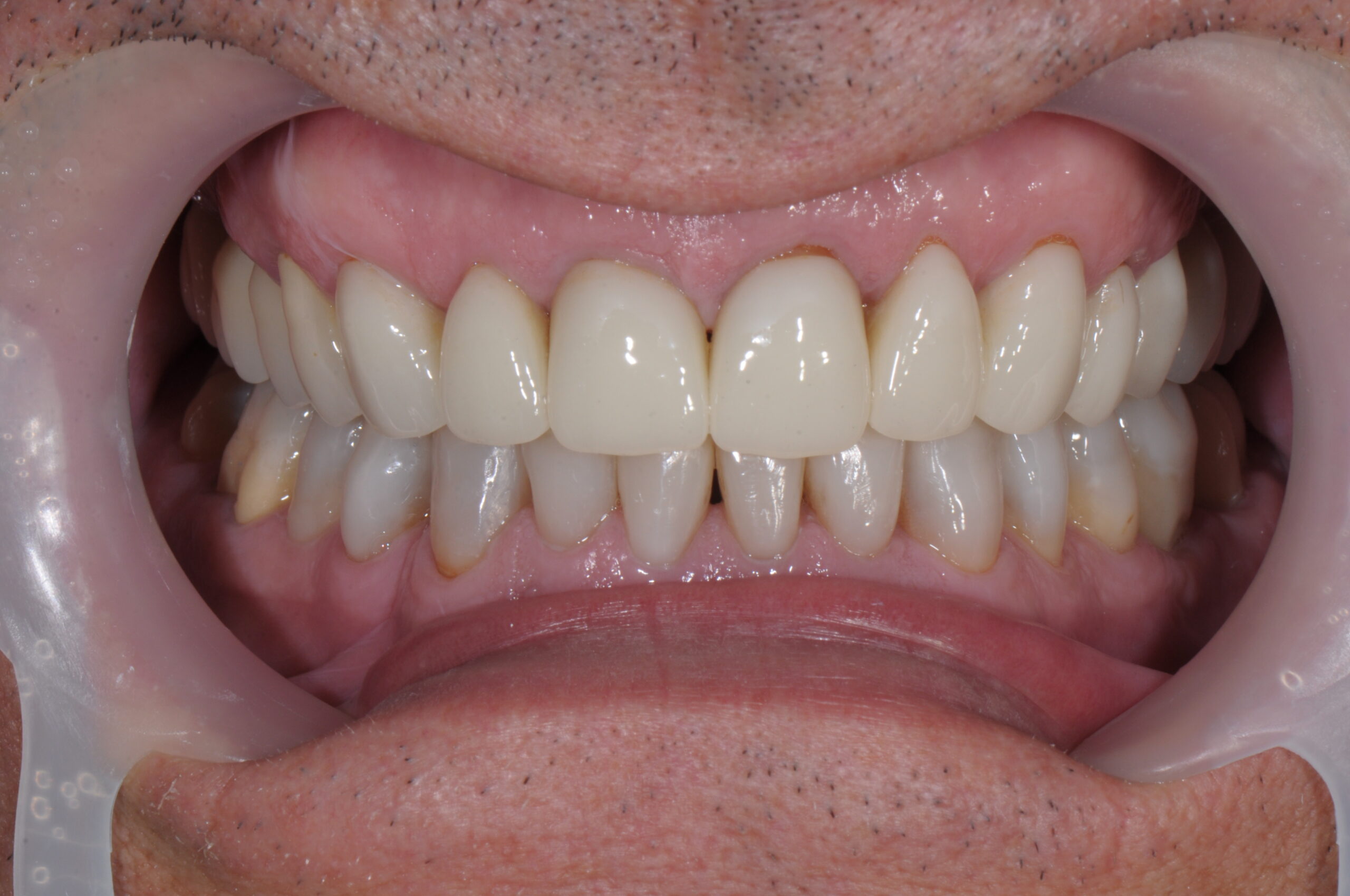
Occlusal rehabilitation with vertical dimension restoration is recommended for patients with tooth wear, bruxism, dental erosion, or loss of the proper bite height (vertical dimension of occlusion). Using direct, semi-direct, or indirect adhesive restorations, it is possible to rebuild the natural shape of the teeth, improve chewing function, protect the remaining tooth structure, and restore a healthy, natural-looking smile.
Below you'll find answers to some of the questions our patients ask most frequently about professional dental hygiene. If you have any further questions, we'll be delighted to discuss them with you during your appointment.
Occlusal rehabilitation is a restorative treatment designed to rebuild the height of worn teeth, restoring the proper vertical dimension of occlusion, improving chewing function, enhancing the appearance of the smile, and re-establishing a balanced bite.
It is recommended for patients with significant tooth wear caused by bruxism, clenching, dental erosion, or other conditions that have reduced the vertical dimension of occlusion, compromising both chewing function and the long-term health of the teeth.
Yes. In patients with bruxism, occlusal rehabilitation can help restore worn teeth and improve bite function. Before treatment, a comprehensive clinical assessment is always carried out to identify the underlying causes of tooth wear and determine the most appropriate treatment plan.
During the first few days, it is normal to notice a different sensation when chewing or speaking. This is a temporary adjustment period, and in most cases patients adapt quickly to their new bite.
The longevity of occlusal rehabilitation depends on the materials used, your oral hygiene, and your daily habits, such as teeth grinding or clenching. With regular dental check-ups and proper maintenance, the restorations can preserve their function, strength, and aesthetics for many years.
No. In many cases, treatment begins with a trial phase using temporary restorations or reversible techniques. This allows both the patient and the dentist to evaluate comfort, aesthetics, and function before proceeding with the definitive rehabilitation.
Tooth wear affects more than just the appearance of your smile—it can also compromise chewing function and the health of the temporomandibular joint (TMJ). At Odontoiatria Kirschner, every occlusal rehabilitation is carefully planned using a personalized, minimally invasive approach and advanced digital technology to restore balance, stability, and long-term function to your smile.