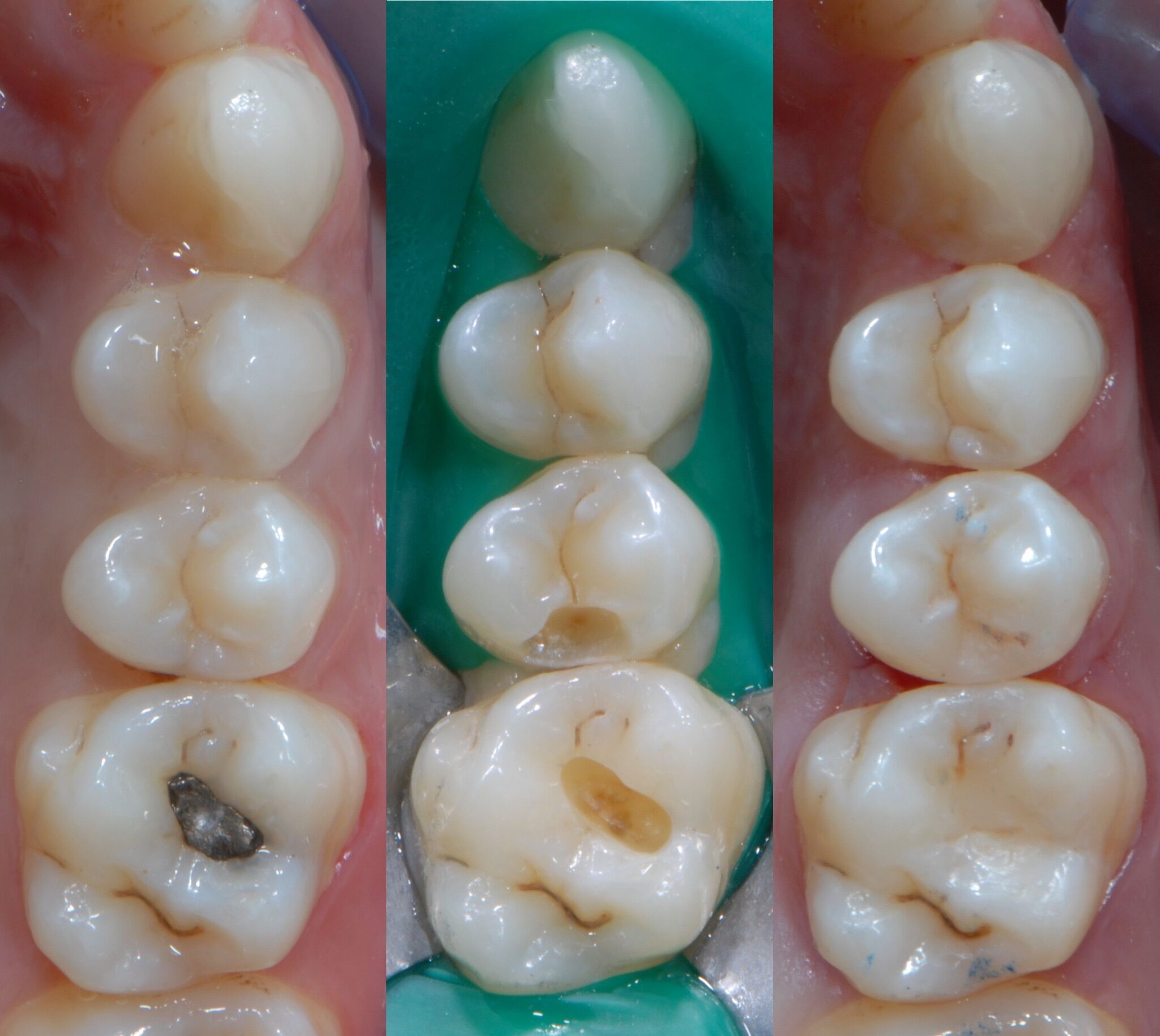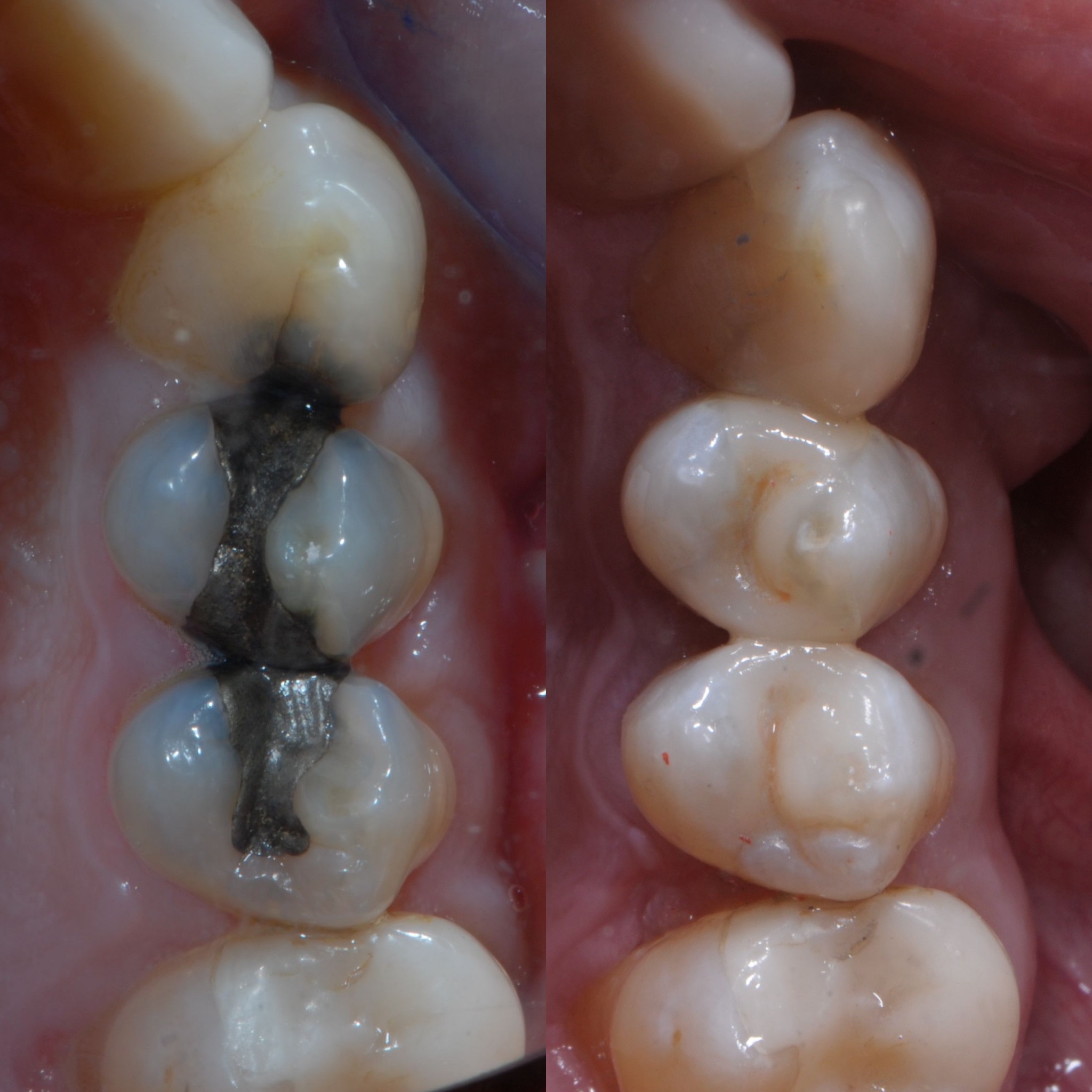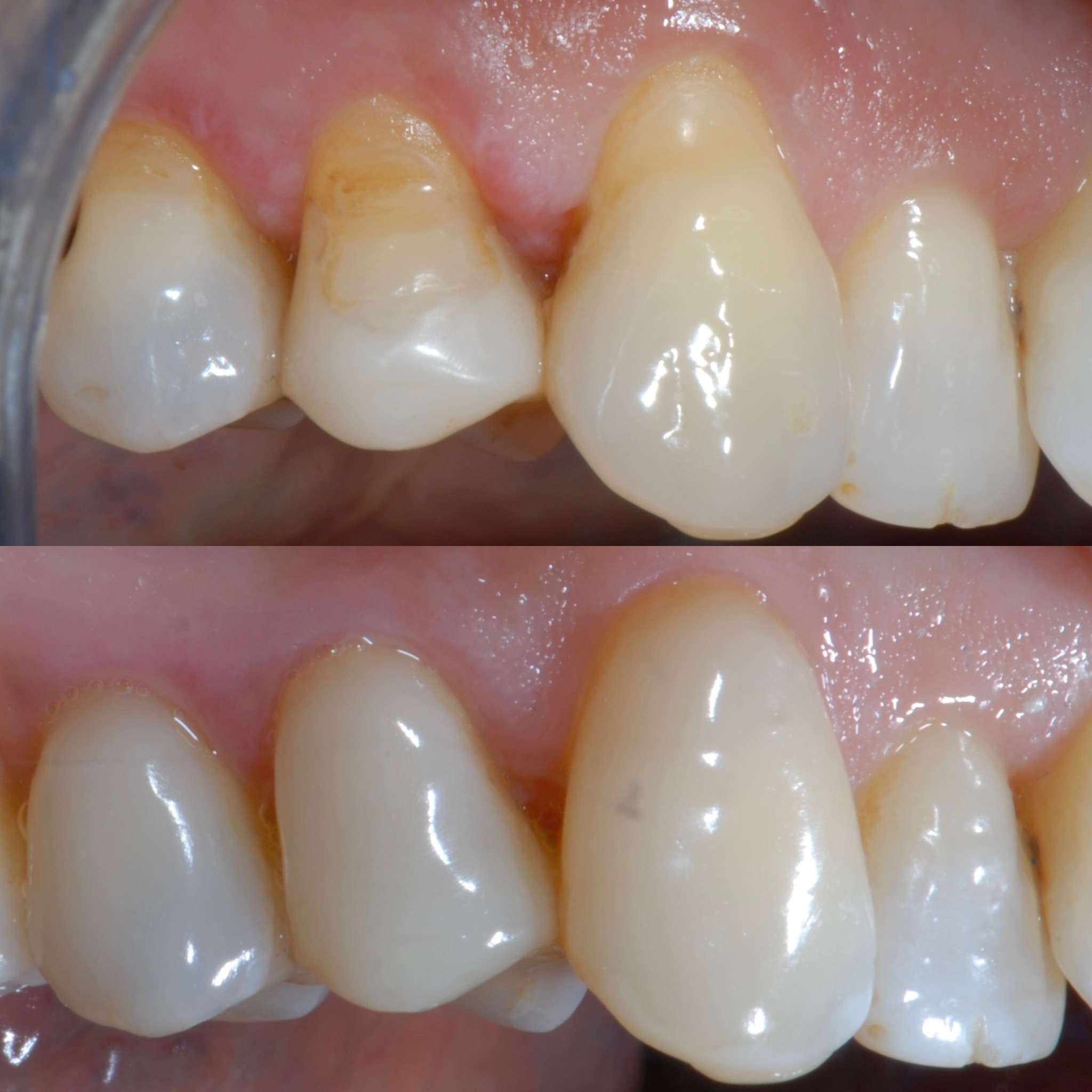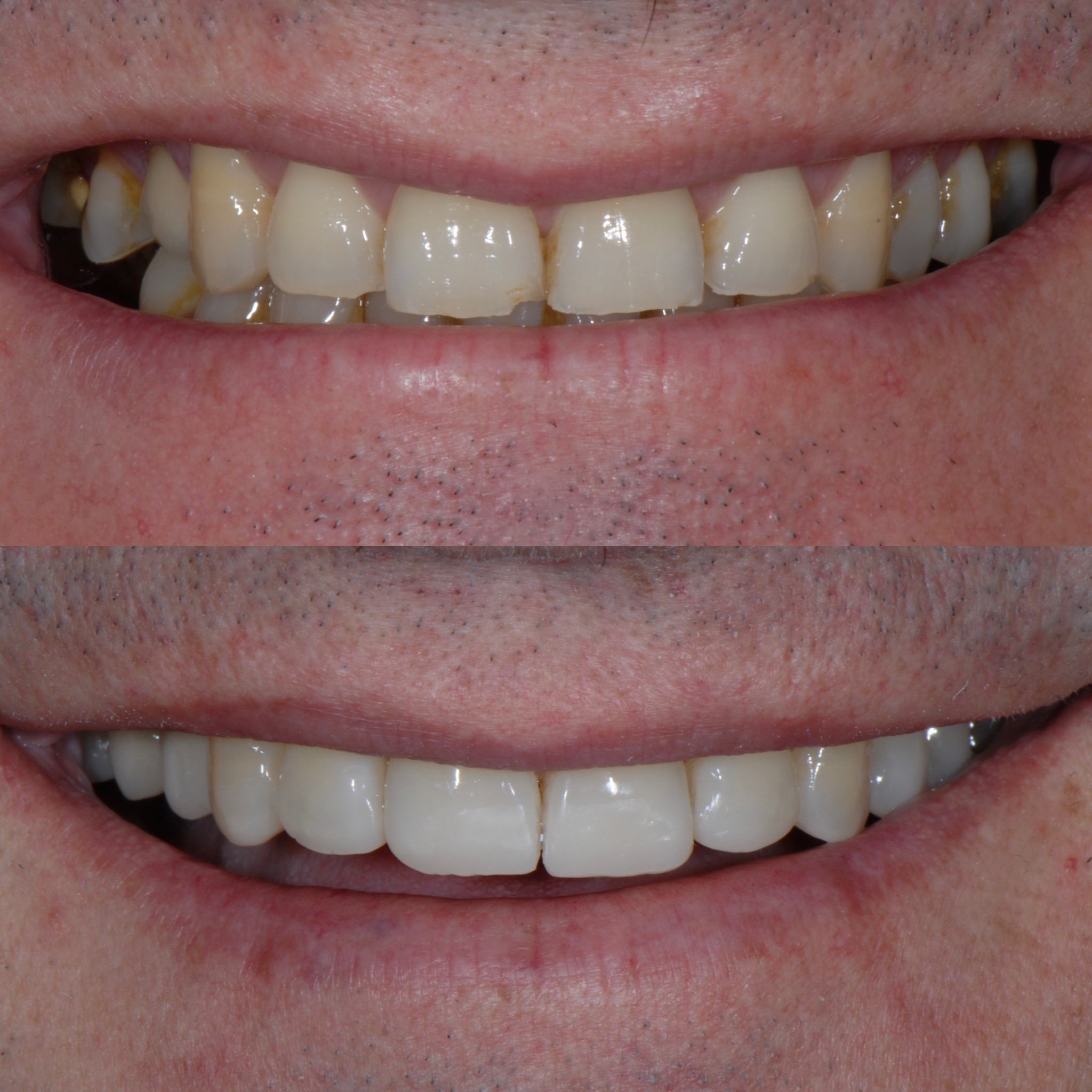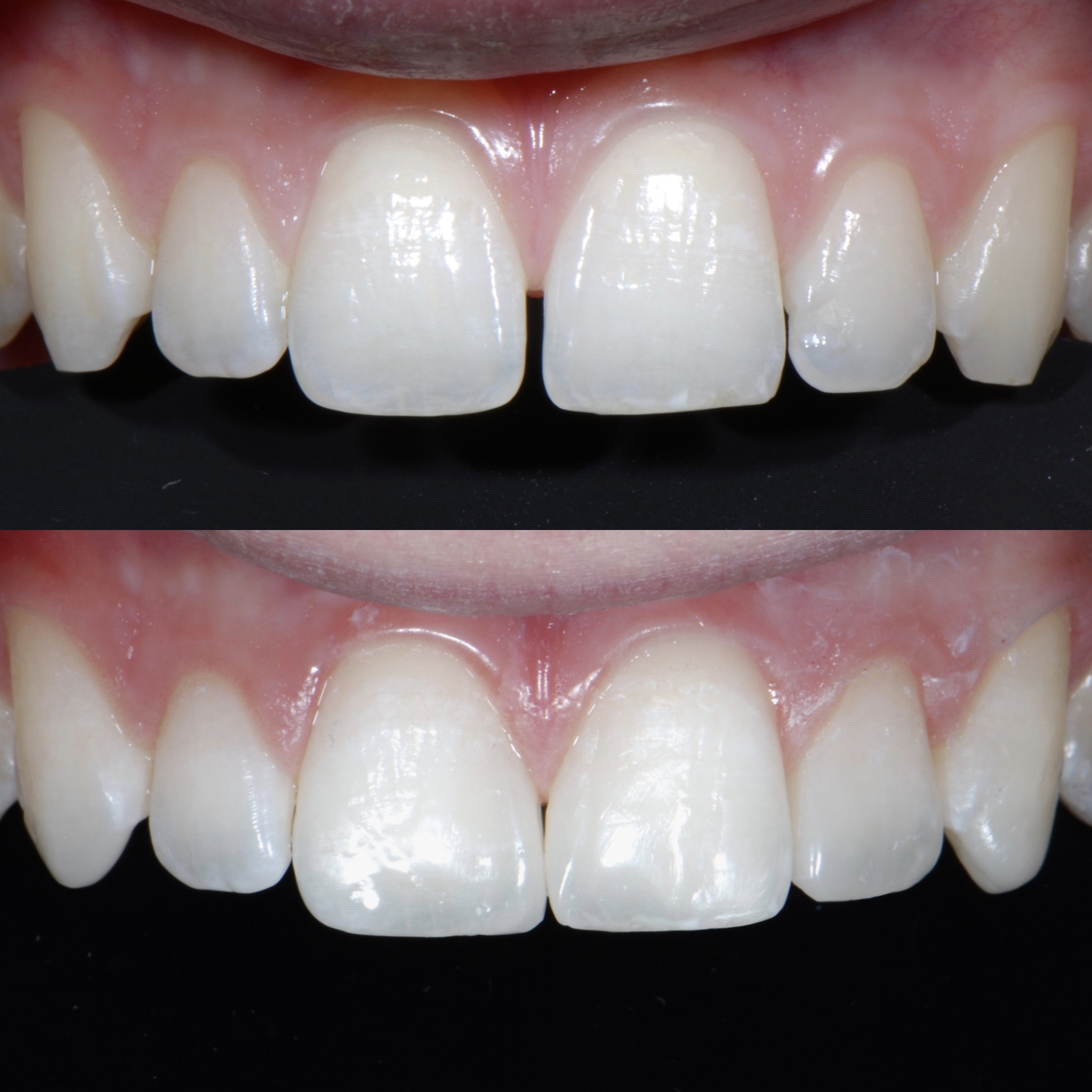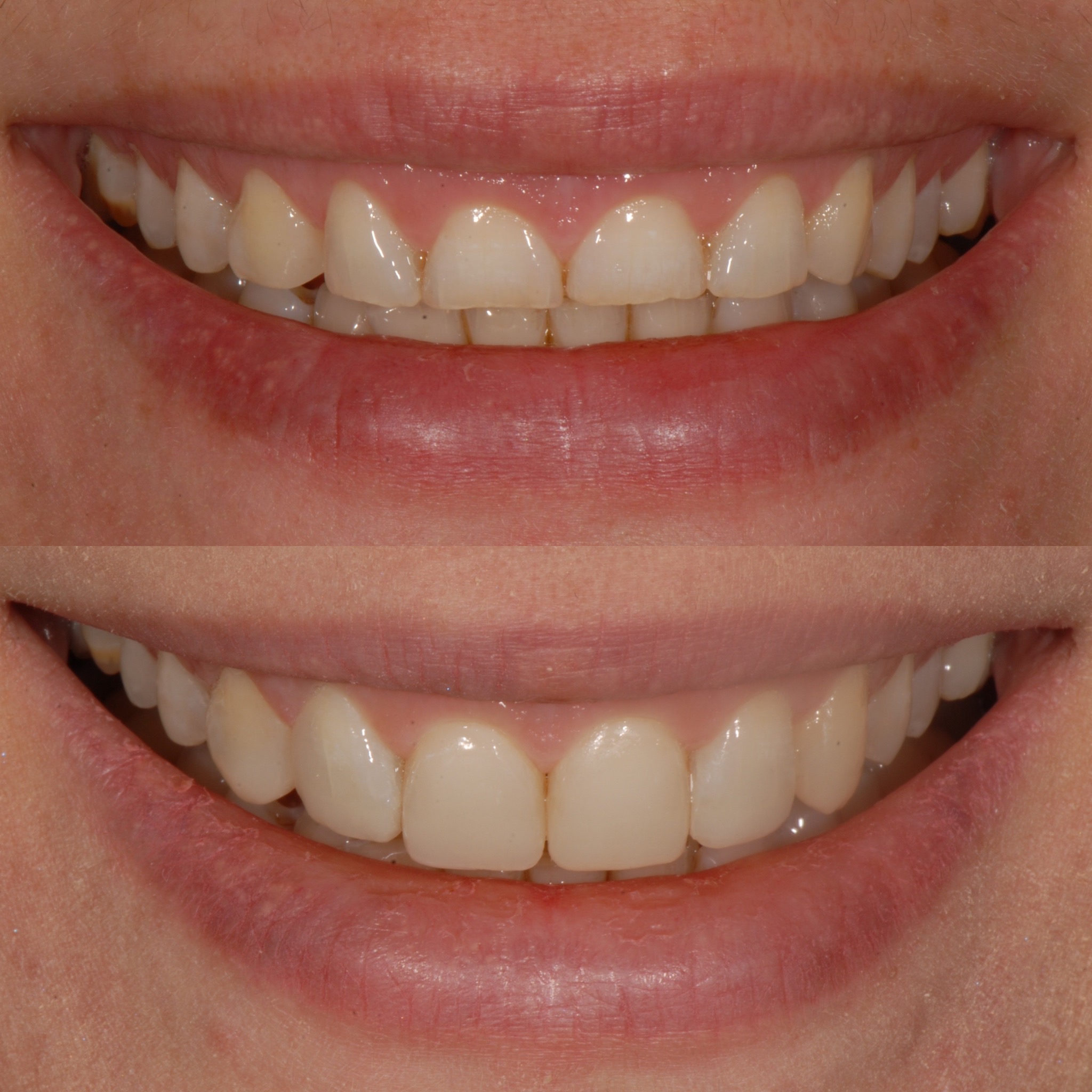
Direct restorative dentistry allows damaged teeth affected by decay, fractures, or wear to be rebuilt using highly aesthetic composite resins. The treatment is completed directly in a single appointment, preserving as much healthy tooth structure as possible while restoring the tooth's function, shape, and natural appearance.
Direct restorative dentistry includes:
Below you'll find answers to some of the questions our patients ask most frequently about professional dental hygiene. If you have any further questions, we'll be delighted to discuss them with you during your appointment.
A direct restoration is recommended for treating tooth decay, fractures, chipped teeth, enamel wear, and minor aesthetic imperfections. Thanks to modern composite materials, the tooth can be rebuilt using a conservative approach that restores both its function and natural appearance.
Yes. Direct restorations include modern tooth-colored composite fillings. Unlike traditional amalgam fillings, composite resin is carefully matched to the natural shade of your tooth, providing a highly aesthetic result that blends in almost seamlessly.
The lifespan of a direct restoration depends on the tooth's location, the size of the restoration, your oral hygiene, and your daily habits. With proper care and regular dental check-ups, a direct restoration can last for many years.
Yes. Once the treatment is completed, you can quickly return to your normal daily activities. Your dentist will provide any specific instructions based on the type of restoration performed.
No. Modern composite materials are designed to replicate the natural shape, color, and translucency of your teeth, providing a highly aesthetic result that blends seamlessly with the rest of your smile.
If a tooth has lost a significant amount of structure or has become severely weakened, your dentist may recommend an indirect restoration, such as an inlay, onlay, or crown, to provide greater strength, durability, and long-term protection.
Thanks to modern direct composite restorations, damaged teeth can be rebuilt using a conservative approach that preserves as much healthy tooth structure as possible while achieving a natural-looking, functional, and long-lasting result.