
Dental sealants are a preventive treatment used to reduce the risk of tooth decay in areas that are difficult to clean effectively with normal daily oral hygiene.
It is performed after isolating the treatment area and carefully cleaning the surface to be sealed. A specific highly flowable resin material is then applied into the deep grooves of the tooth and subsequently polymerised (hardened).
It is particularly beneficial to perform this procedure on permanent teeth shortly after they have erupted into the oral cavity.
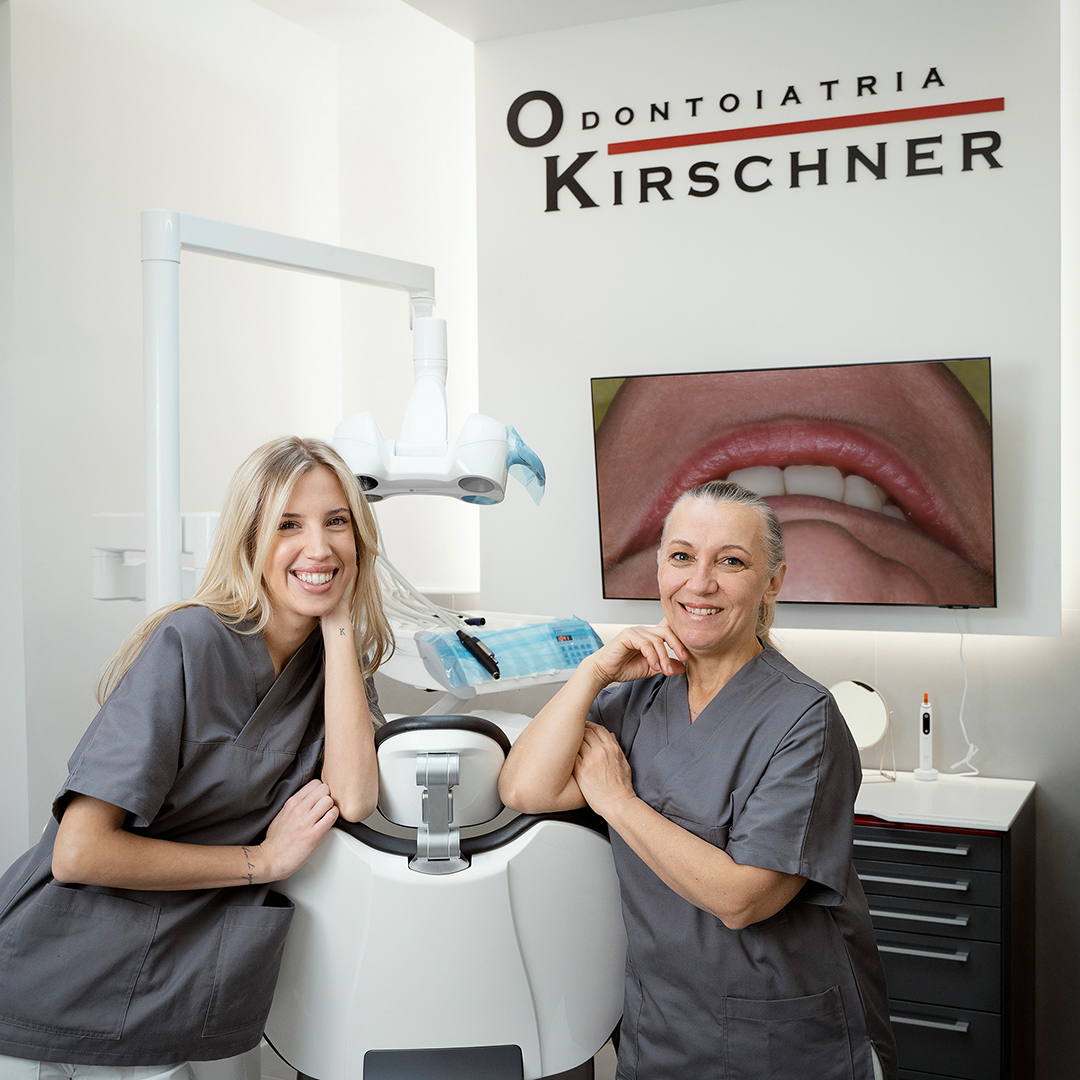
Below you'll find answers to some of the questions our patients ask most frequently about professional dental hygiene. If you have any further questions, we'll be delighted to discuss them with you during your appointment.
Dental sealants are a preventive treatment that involves applying a special resin to the deep grooves of molars and premolars. This helps reduce the risk of tooth decay in areas that are more difficult to clean effectively.
It is particularly recommended for children and adolescents shortly after the eruption of permanent teeth, but it can also be beneficial for adults with very deep grooves and a high risk of tooth decay.
No. It is a completely painless procedure that does not require anaesthesia or the use of a dental drill. The treatment can be completed in just a few minutes.
Dental sealants can last for several years when properly maintained. During regular check-ups, the dentist checks that the sealant is still intact and, if necessary, repairs or replaces it.
No. Dental sealants protect the chewing surfaces of teeth, but they must always be combined with proper daily oral hygiene, fluoride use, and regular dental check-ups.
Yes. Numerous studies have shown that dental sealants significantly reduce the risk of developing cavities on permanent molars, especially in younger patients and individuals with a higher risk of tooth decay.
Dental sealants are one of the most effective preventive treatments for preserving the health of molars over time. At Odontoiatria Kirschner, we assess each patient individually and create a personalised prevention plan.