
As mentioned when discussing the Periodontal Examination, the Dentist provides the Hygienist with data on the health status or pathology of the tooth-supporting tissues, allowing them to correctly carry out their professional treatment.
This communication, along with the feedback the Hygienist provides back to the Dentist, is essential for monitoring periodontal health (which is why we always rely on this dual check).
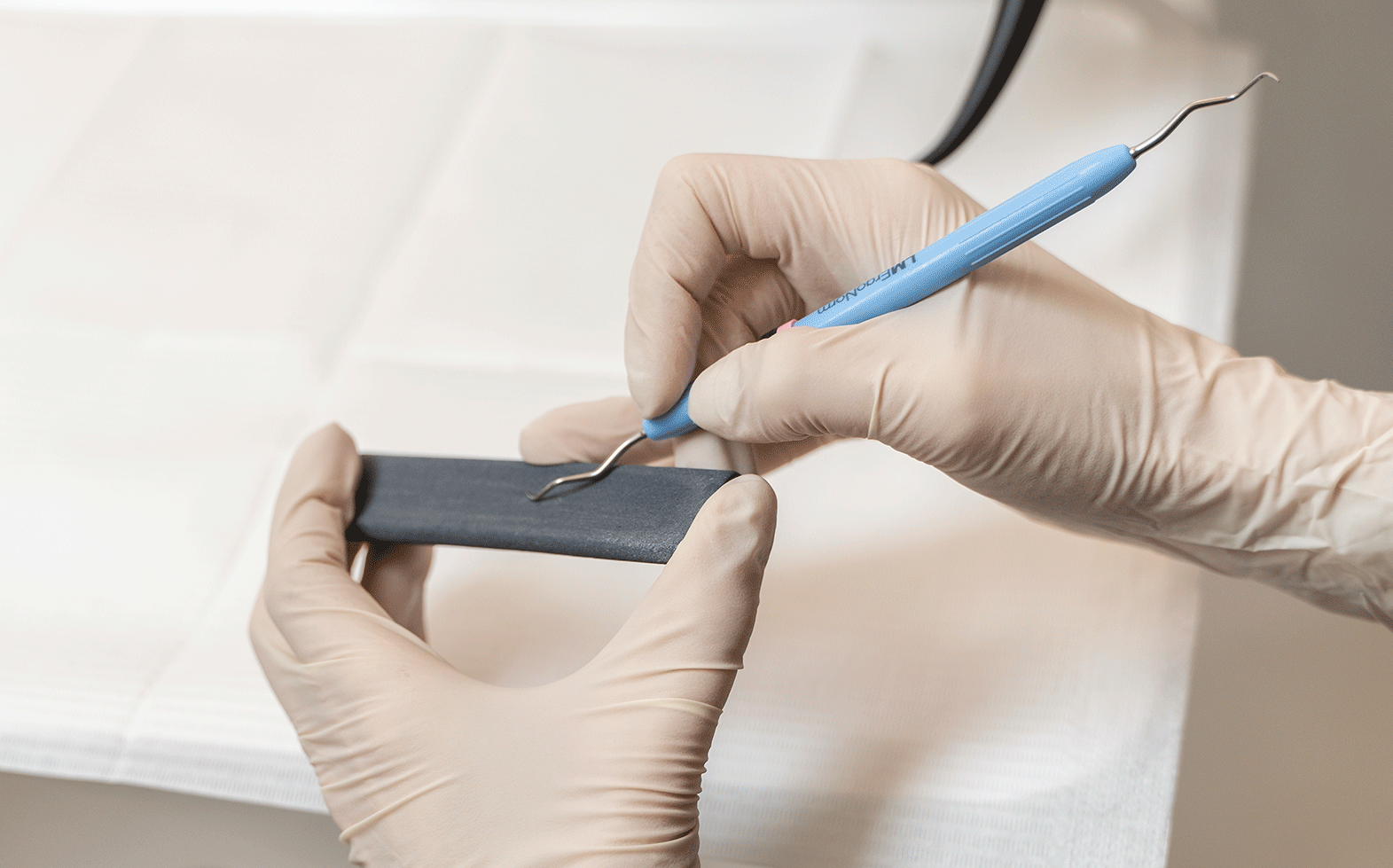
If periodontal attachment loss has occurred that has exposed the root cementum of the teeth, root planing must also be performed, in order to remove the cementum infected by bacterial toxins.
This procedure, which can be performed with or without anaesthesia, helps reduce gingival inflammation and represents the necessary first step before any periodontal surgery, as well as an essential phase in maintaining previously treated cases.
This procedure, which can be performed with or without anaesthesia, helps reduce gingival inflammation and represents the necessary first step before any periodontal surgery, as well as an essential phase in maintaining previously treated cases. Gingival Pocket Curettageis the removal of the inflamed pocket walls and any granulation tissue present.
Below you'll find answers to some of the questions our patients ask most frequently about professional dental hygiene. If you have any further questions, we'll be delighted to discuss them with you during your appointment.
A periodontal chart is an examination used to assess the health of the gums and the supporting bone around the teeth. Through periodontal probing, it allows the identification of periodontal pockets, bleeding, gum recession, and tooth mobility.
Normally, no. However, sensitivity may vary depending on the presence and severity of inflammation in the periodontal tissues.
Root planing is performed when periodontal pockets caused by periodontitis are present. It removes tartar and bacteria located below the gum line, promoting the healing of the periodontal tissues.
Yes. Professional dental cleaning removes plaque and tartar from above the gum line, while root planing works deeper inside periodontal pockets to treat periodontal disease.
In most cases, a significant reduction in inflammation, bleeding, and pocket depth can be observed. The outcome also depends on proper daily oral hygiene and regular periodontal maintenance visits.
It depends on the clinical situation. In patients with periodontitis, periodontal charting is usually reassessed after initial therapy and subsequently during regular maintenance visits to monitor disease progression and maintain long-term results.
Early diagnosis is essential to prevent the progression of periodontal disease and preserve teeth and supporting tissues. At Odontoiatria Kirschner, we perform a complete periodontal assessment with periodontal charting, personalised diagnosis, and, when necessary, root planing to restore gum health.